


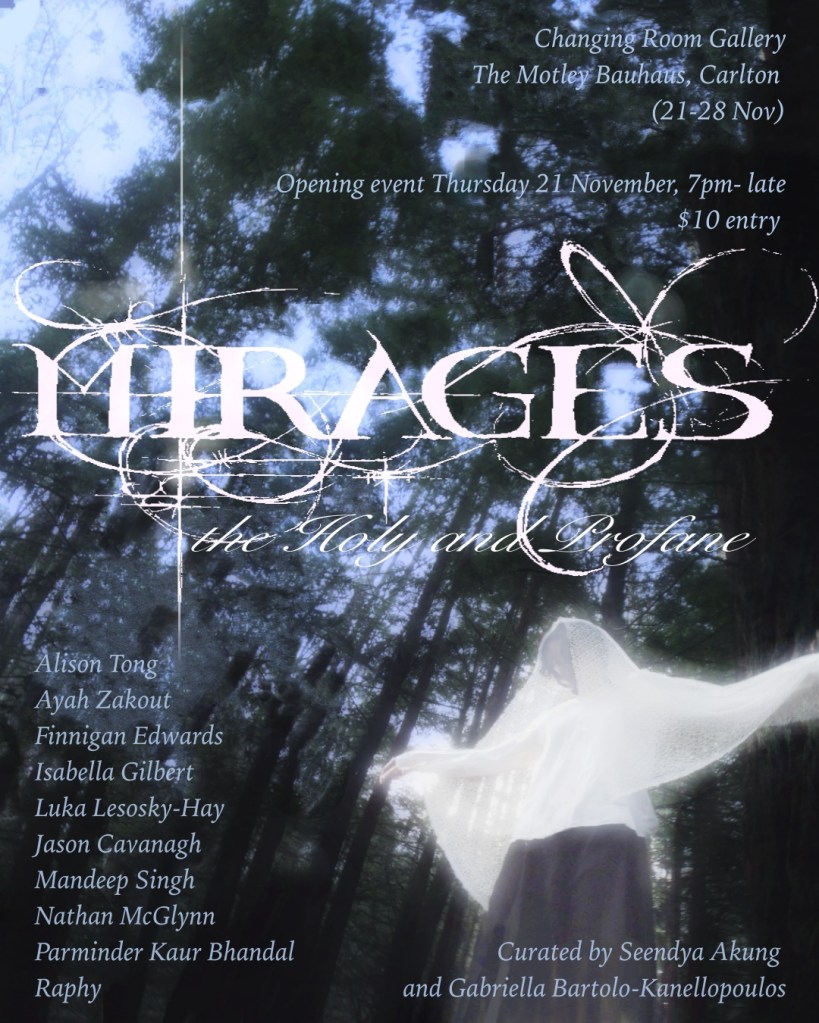
MIRAGES: The Holy and Profane
Curated by Gabriella Bartolo-Kanellopoulos and Seendya Akung
Changing Room Gallery, 21 Nov – 5 Dec 2024
Read curatorial essay
What defines the contemporary Australian religious experience, if not a collaged culture of devotion?
Mirages unites a cohort of artists operating within one inner-northern bohemian scene, but nevertheless demonstrating manifold relationships to and experiences with religion. We all share in our settlerhood yet are borne from a diversity of traditions. Australia boasts being secular nation, albeit with Christian undertones, and a spiritual cynicism pervades social discourse. As we take secularisation as a core mood of contemporaneity, we grapple with our disconnect to tradition, culture, and spirituality. What role does religion truly have in our lives, when we choose not to ignore it? If we acknowledge its presence, or lack thereof, in our autobiographies; will it lead to deeper appreciation for all traditions and practices, especially those rooted in the land we occupy? The condition of living in a settler-colony is the gradual separation from and bastardisation of imported religious traditions, which no longer can take root in their traditional home-place.
Naturally, the institutionalised application of religion is complex, demonstrating a spectrum of beauty and violence. It can be many things at once. Hence, Mirages explores contemporary relationships to religion, through polyvocal interpretations.
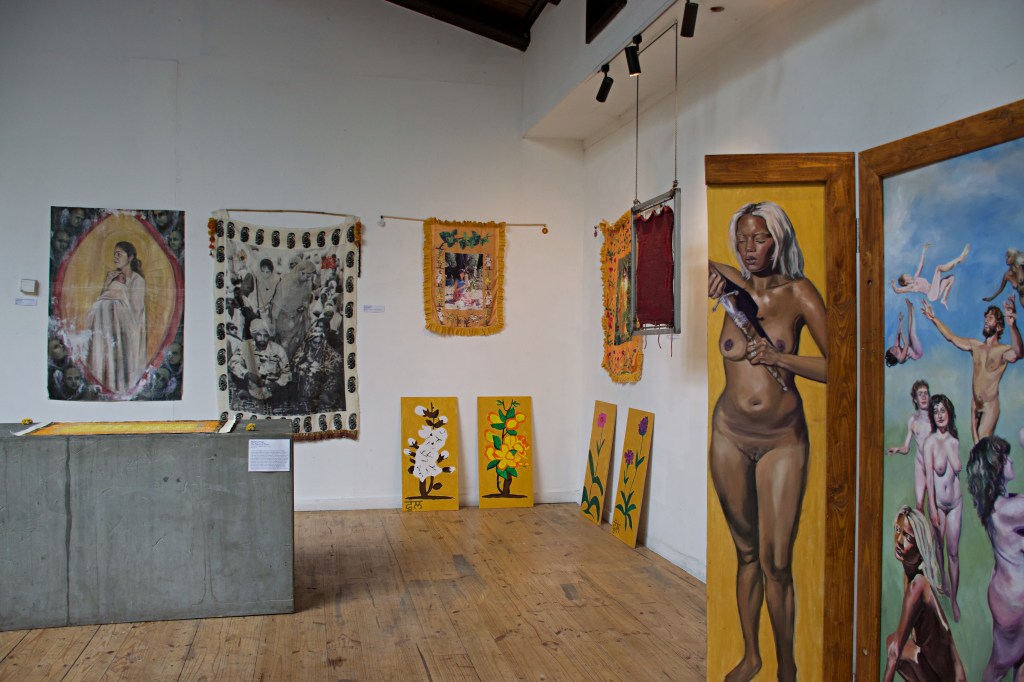
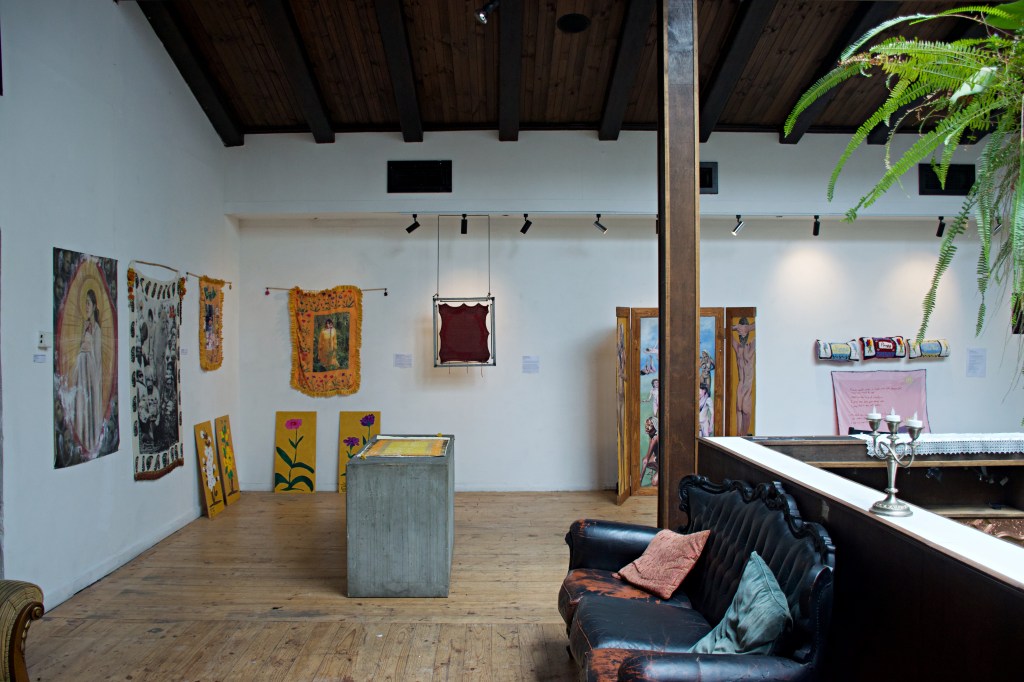
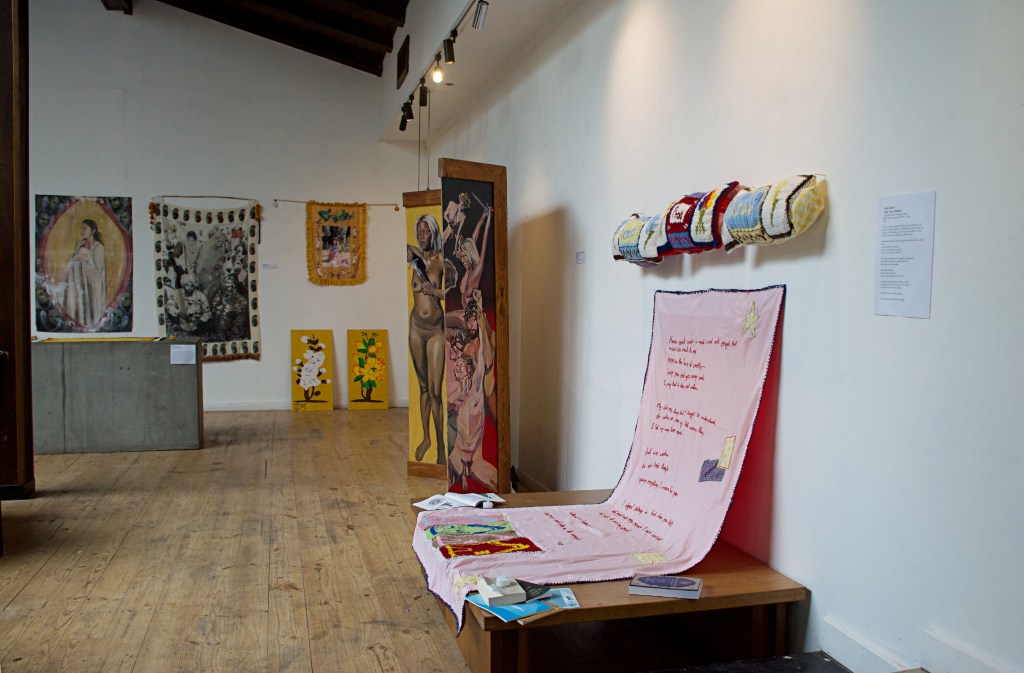
Mandeep’s works reflect the circularity of devotion and inherited tradition. In recycling dried flowers from previous artworks, she colours a sculptural tapestry, inspired by the furnishings of the Gurdwaras of her childhood. These carpets served as a mode through which a child could connect to the rituals of worship which occurred in that space.
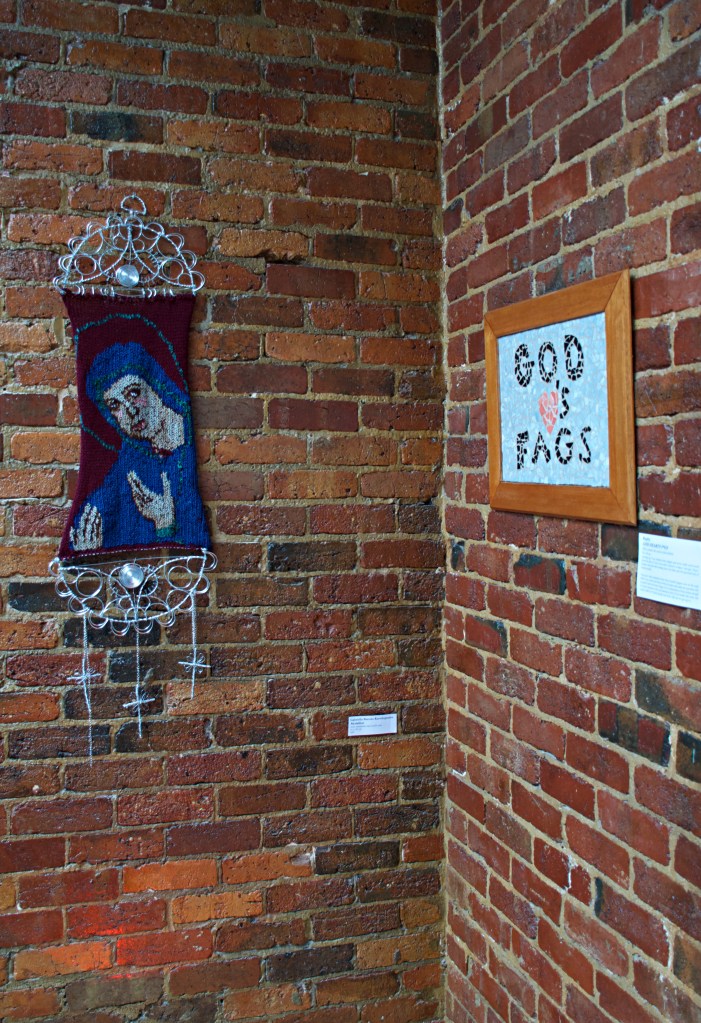
Raphy’s mosaics are a reaction to the unabashed tradition of homophobia within the Christian church. Within, the literally ugly expression of bigotry through slogans which characterised his childhood in the early 2000s, are transmuted into decorative works, reclaiming senses of beauty and wonder from these same sources.
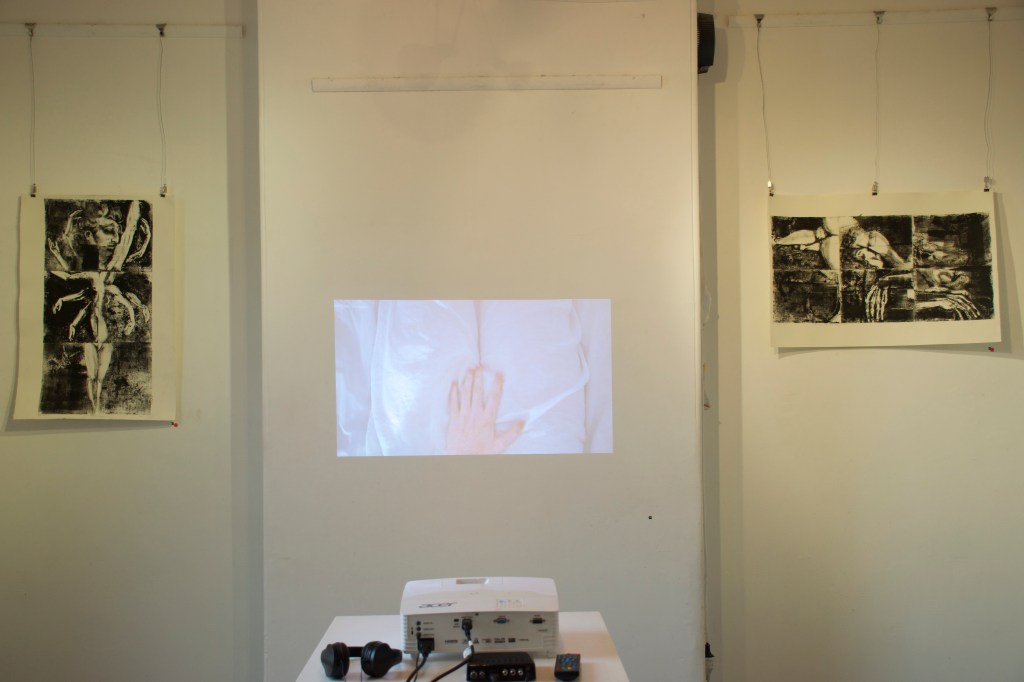
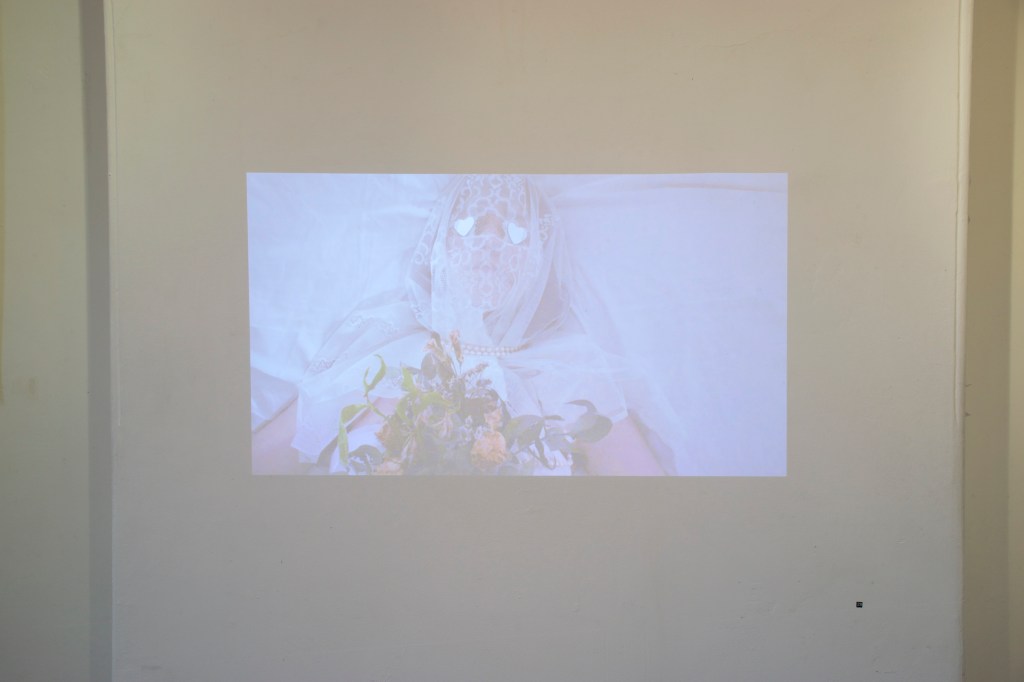
Parminder’s installation explores Love as the core of community, embodiment, and revolution. Drawing inspiration from Mughal painting and the Kama Sutra, flowers are incorporated here in gesture to traditions of self-adornment in the celebration of life.
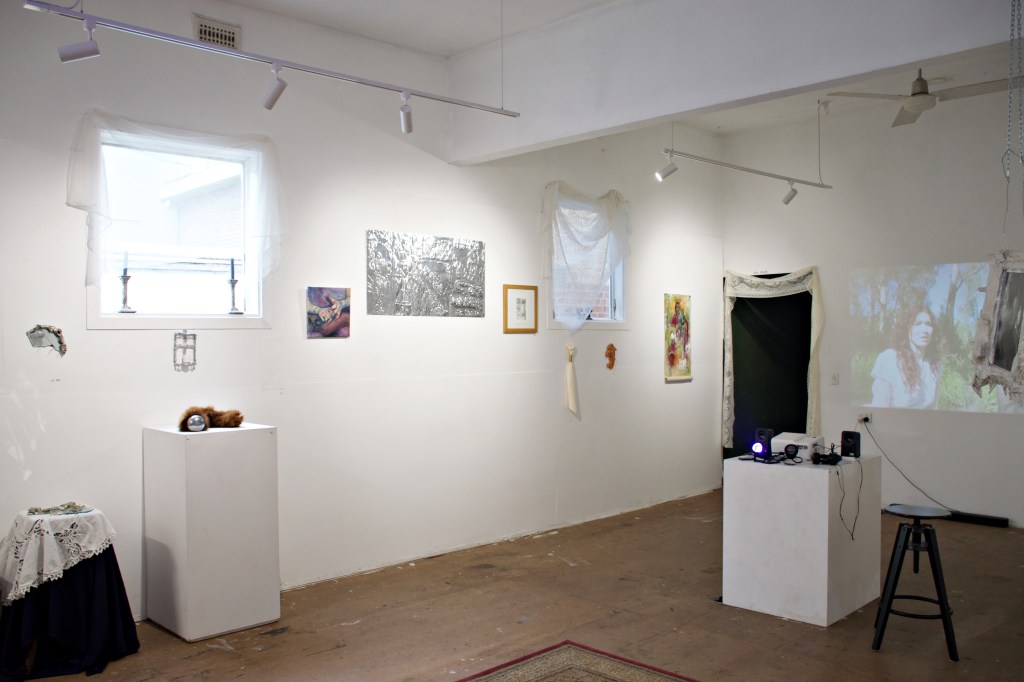
Ayah, through their hand stitched bed setting, investigates the complicated routines which surround ‘correct’ ways of worship within the Islamic faith. By presenting the work hung on the wall, the traditional mode of praying on the knees is inverted, implicating the viewer in the breaking of tradition. By using the bed motif, this place of rest is subverted as the viewer tires through their standing witness.
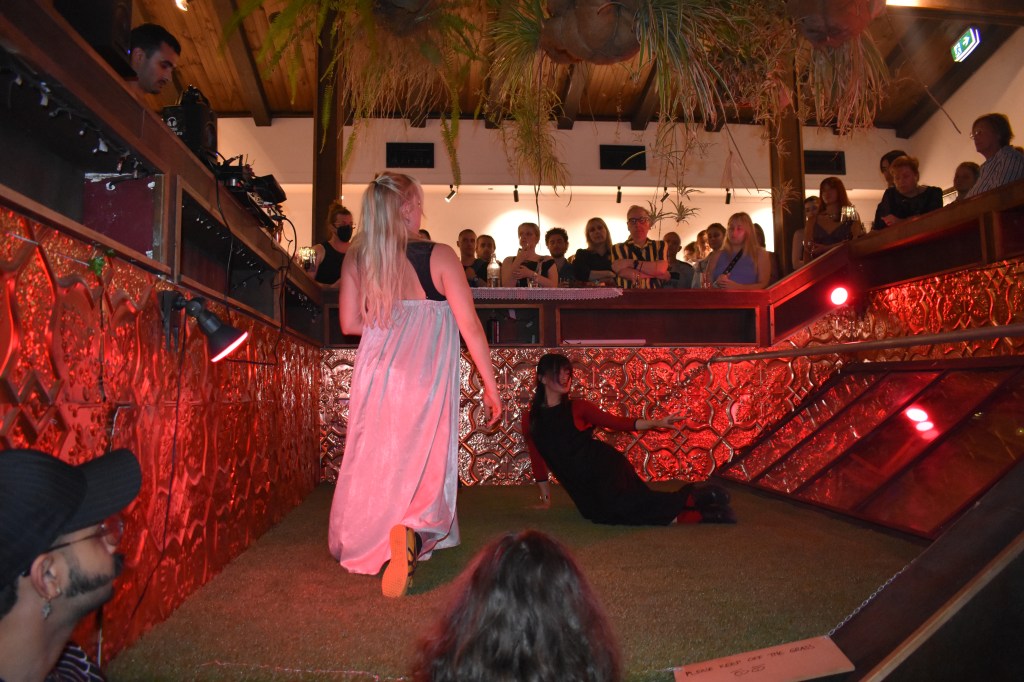
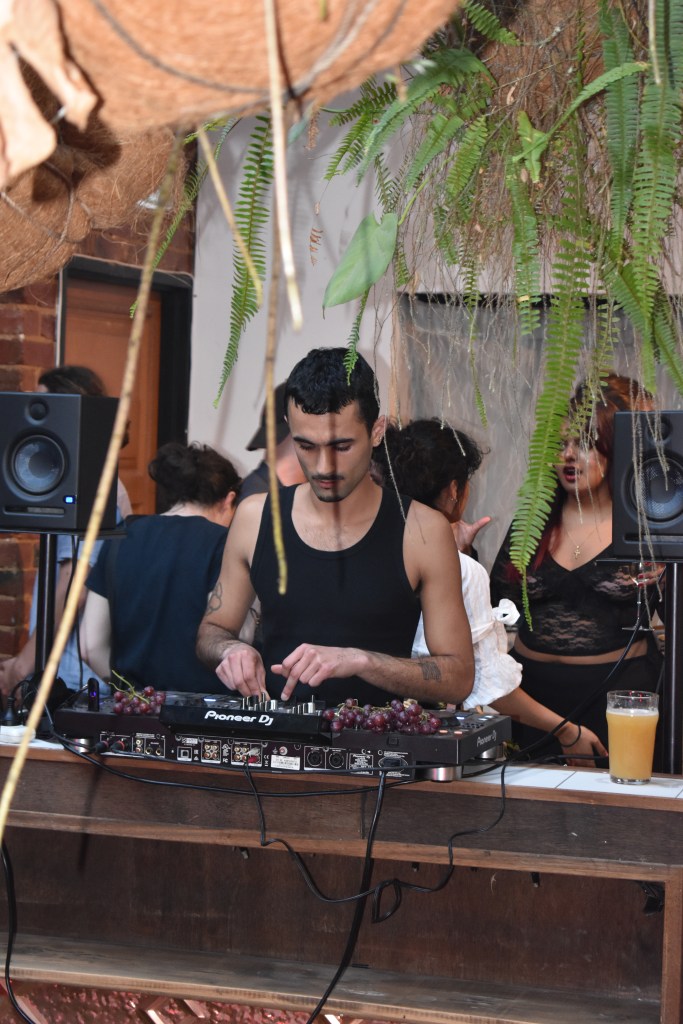
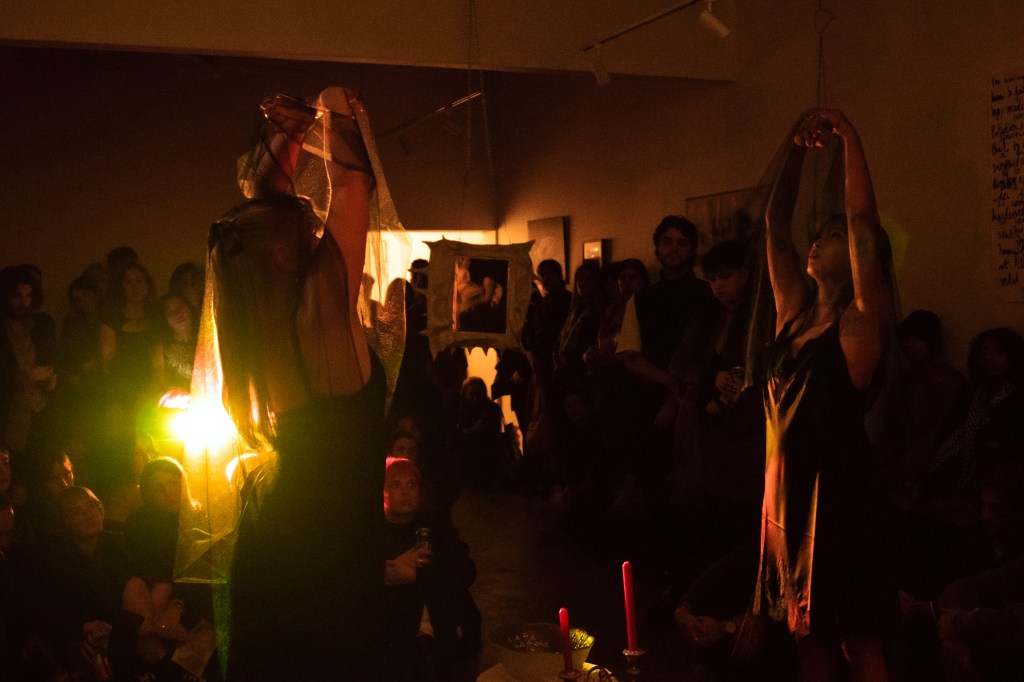
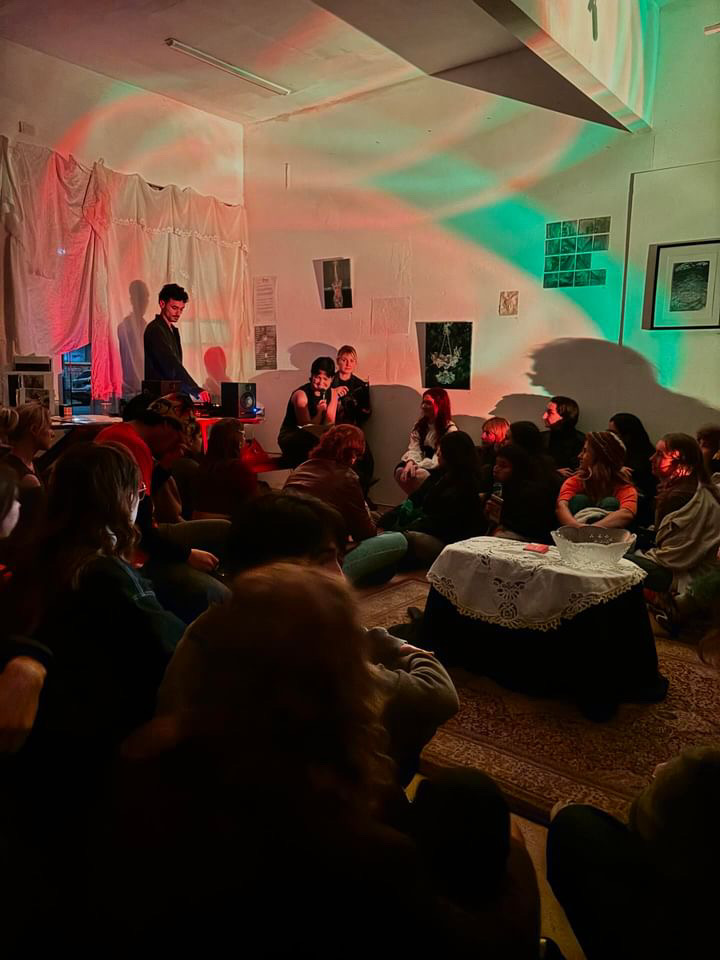
Alison, Isabella, and Finnigan collaborate on a durational performance reflecting on the dancers’ interpretations of Christianity from afar, with a soundscape exploring eastern and western sonics and their connection to religion and culture. Structurally, the performance interprets elements from Catholic church services and rituals shared between faiths, such as a communion, procession, feast, and pilgrimage.
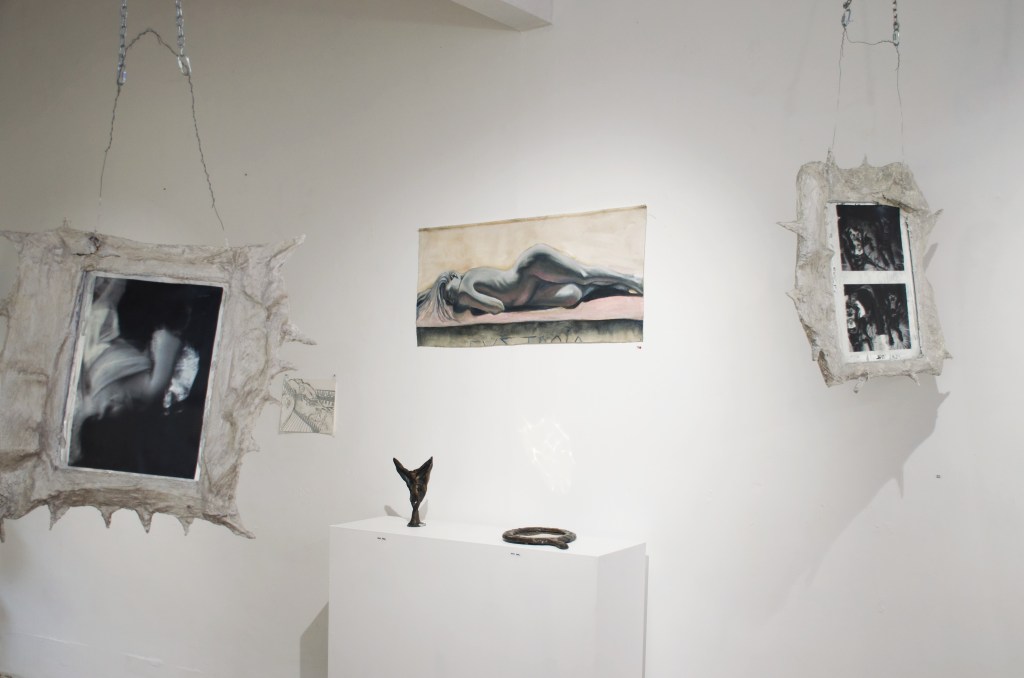
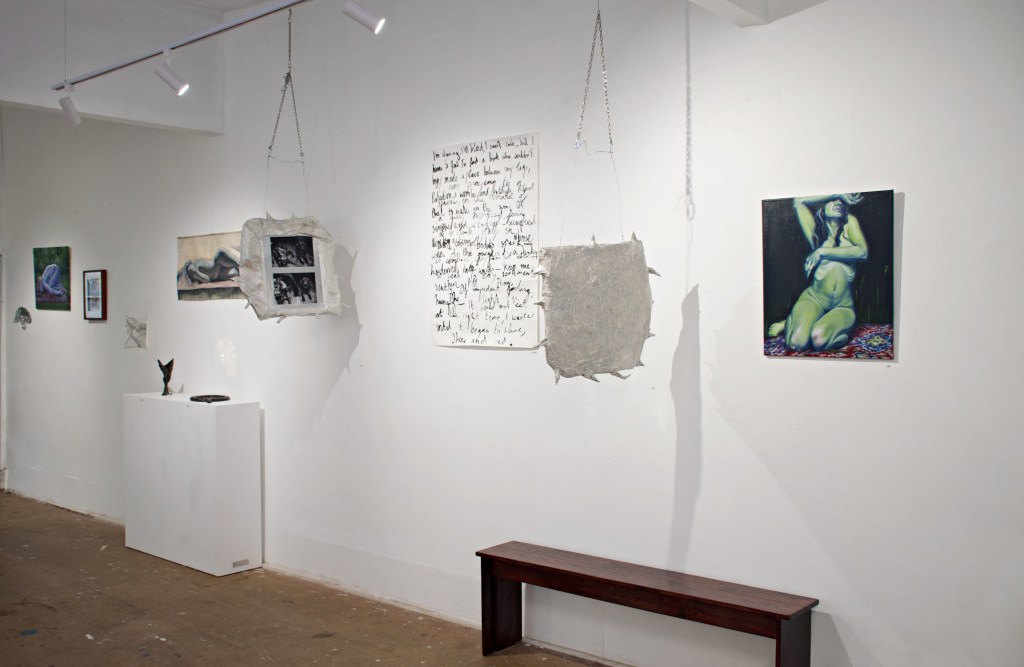
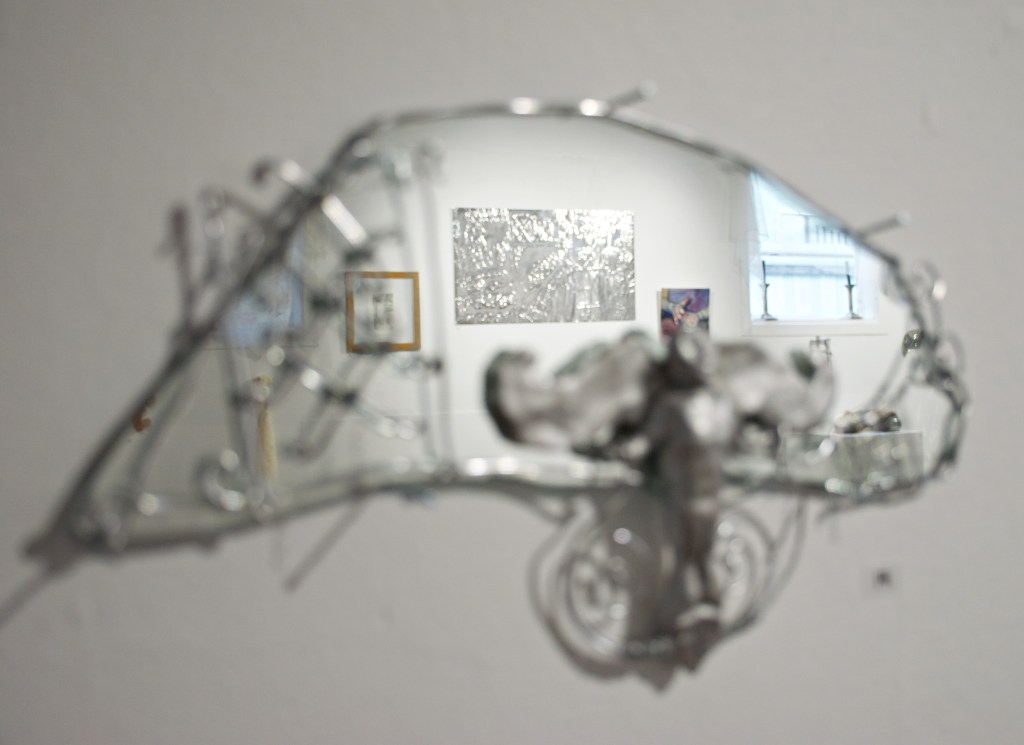
Luka’s textile and steel sculpture juxtaposes industrial and domestic craft textures, reflecting perceived incongruities between religious applications and contemporary life. By using the ‘frame’ as the subject itself, she emphasises its physical and conceptual application as a prescriber significance. More profoundly, Luka’s impersonal connection to religion allows her to use it as a frame through which to approach other significant concepts.
Nathan and Gabriella collaborate on a large-scale triptych altarpiece, gesturing to western art historical icons such as Caravaggio and Bosch. The external panel reflects the fraught nature of sexual and gender expression within dogmatic Christianity, through a scene of hyperbolised violence. The moveable wing panels gesture to the placid iconographic portraiture adorning the churches of the artists’ childhood, with the centre panel showcasing an idealised queer paradise.
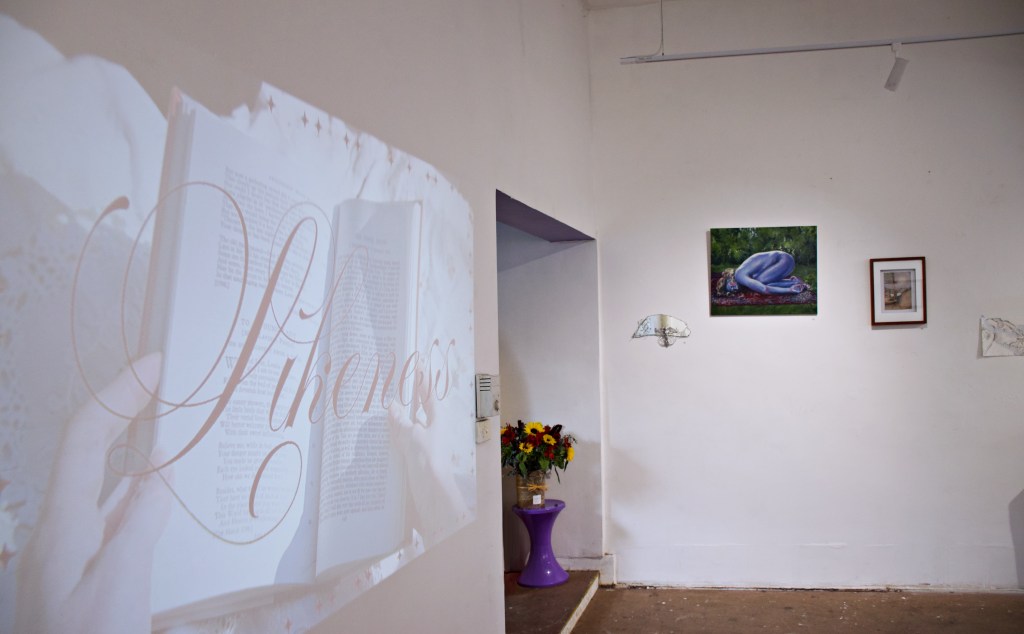
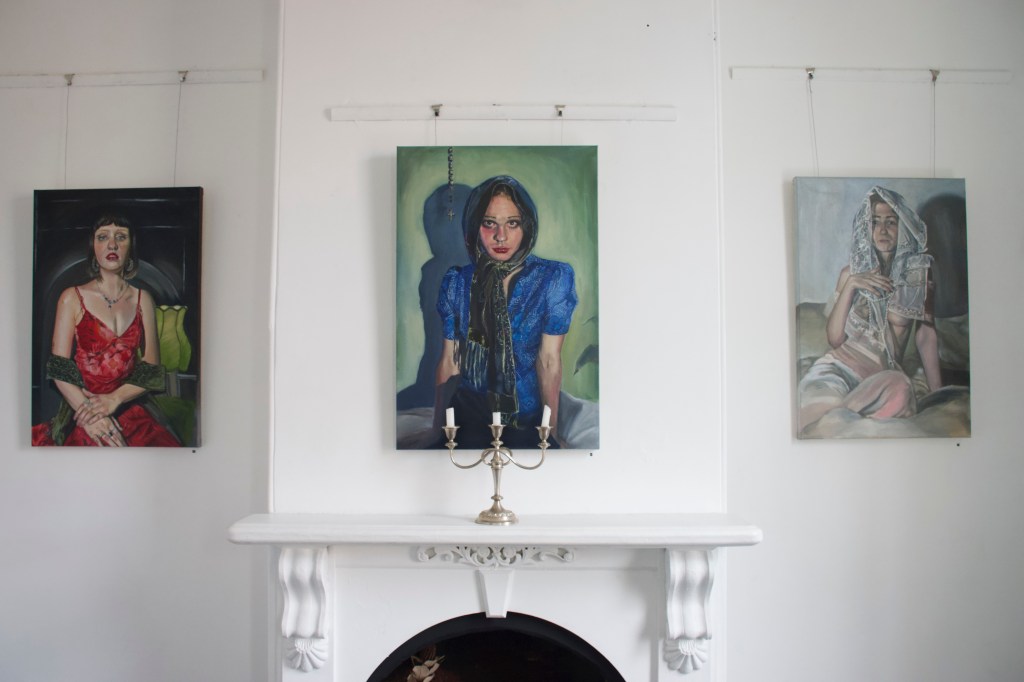
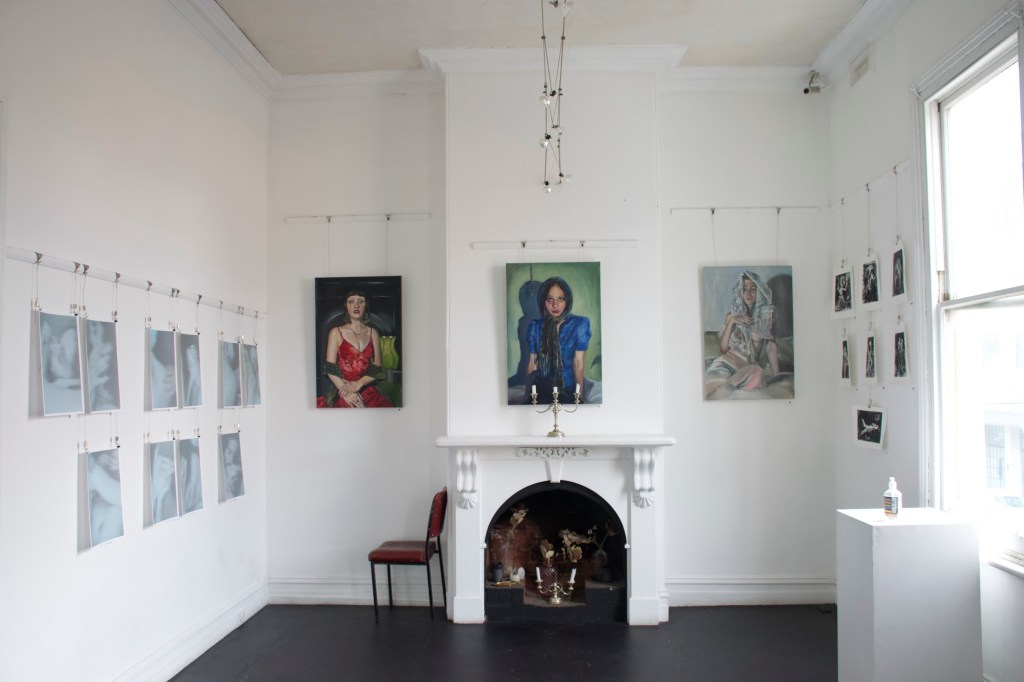
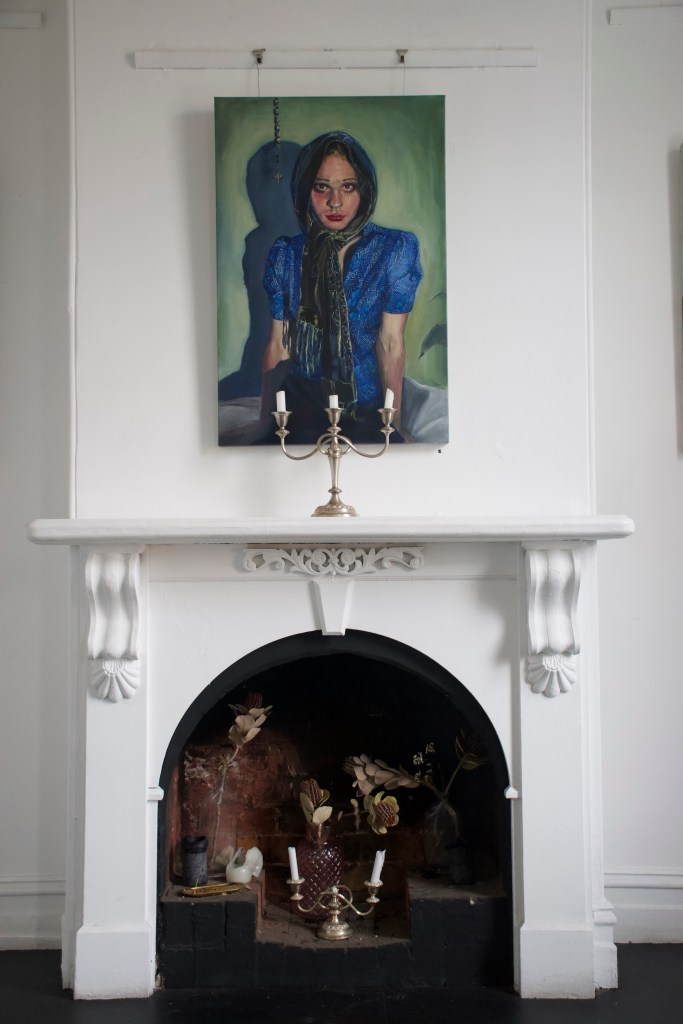
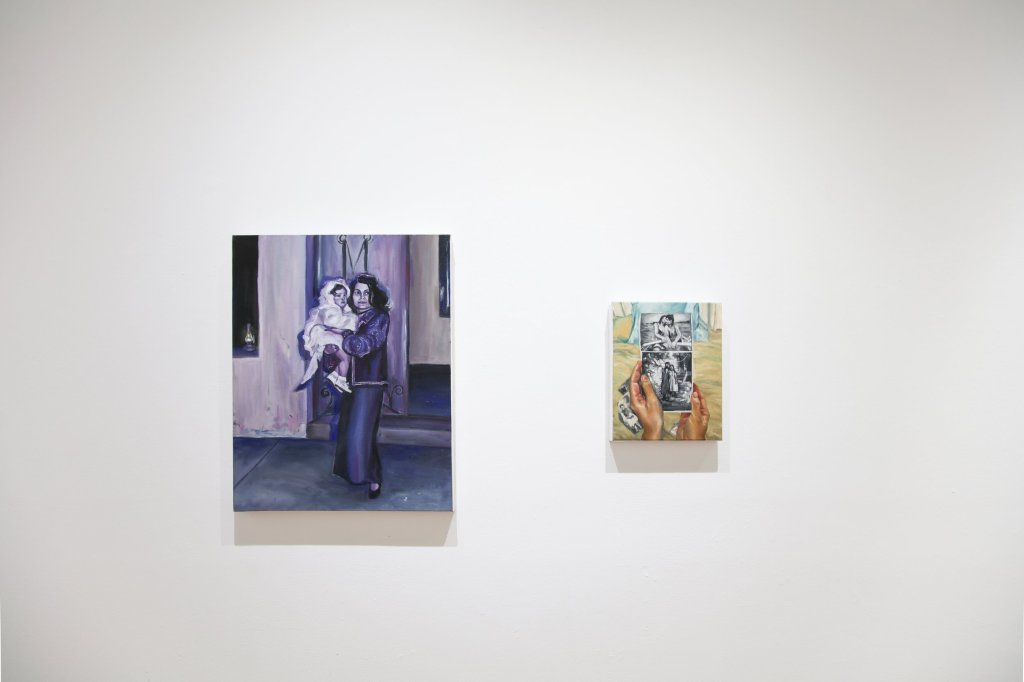
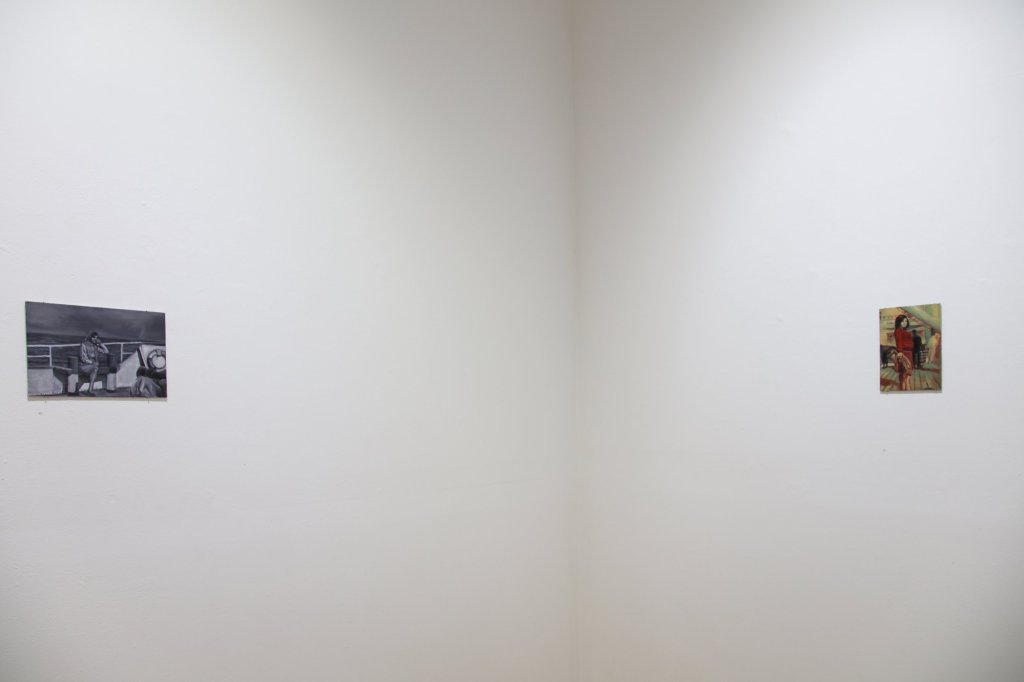
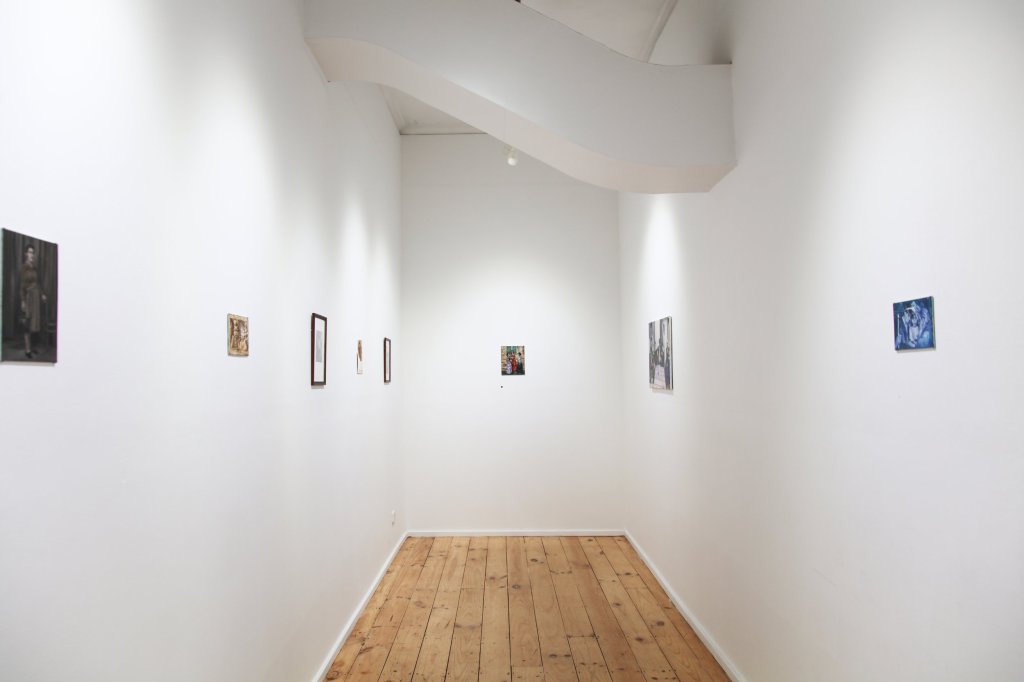
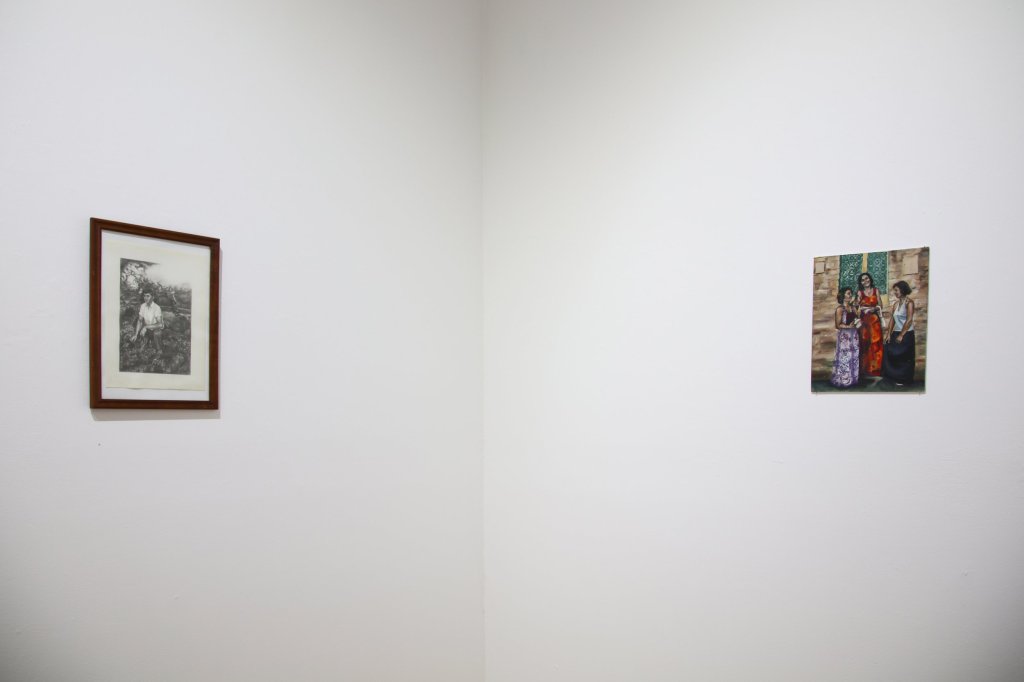
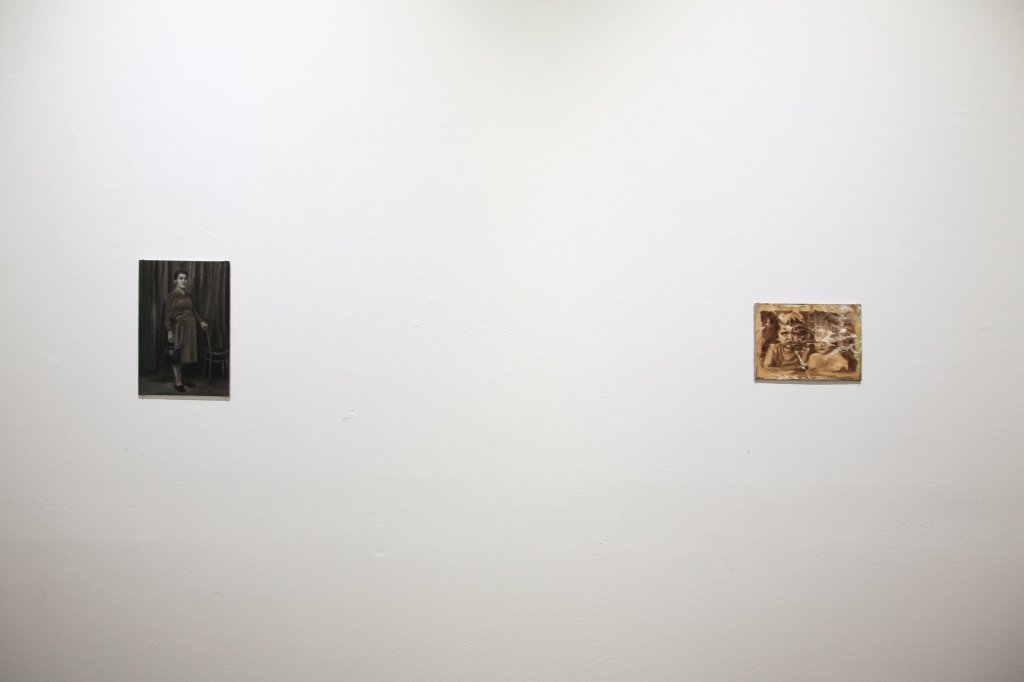
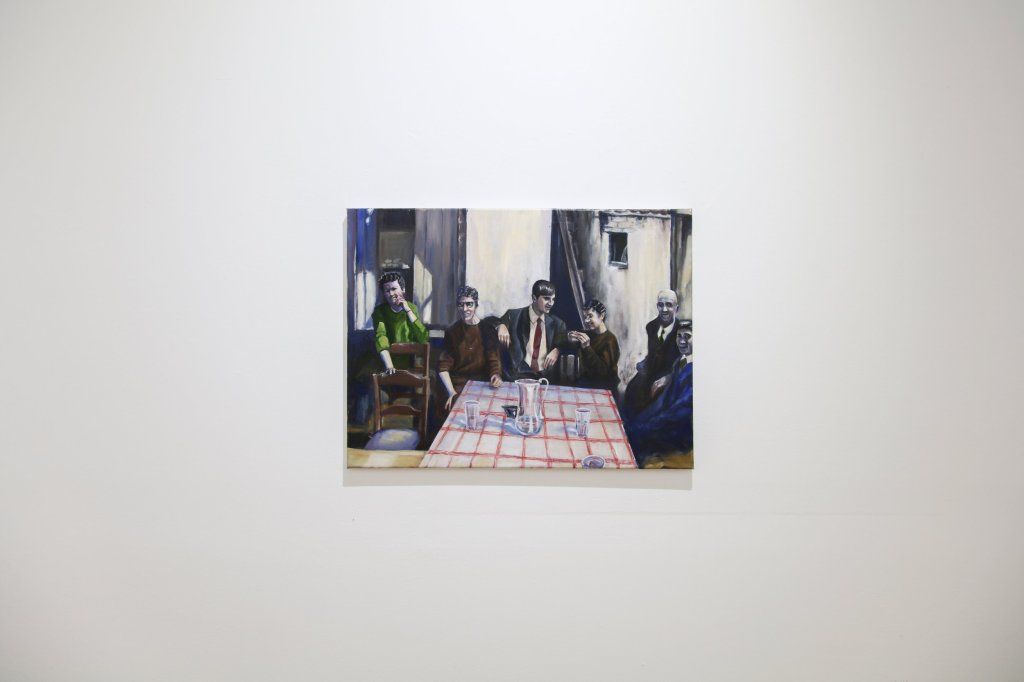
Gabriella’s solo paintings and sculpture explore a reconnection to religious frameworks in adult life, through experiences of grief. Her focus on the symbolic and decorative highlights the beauty found in the Greek Orthodox tradition, while tainted with aesthetics of decay which further represent the underlying sociopolitical tensions.
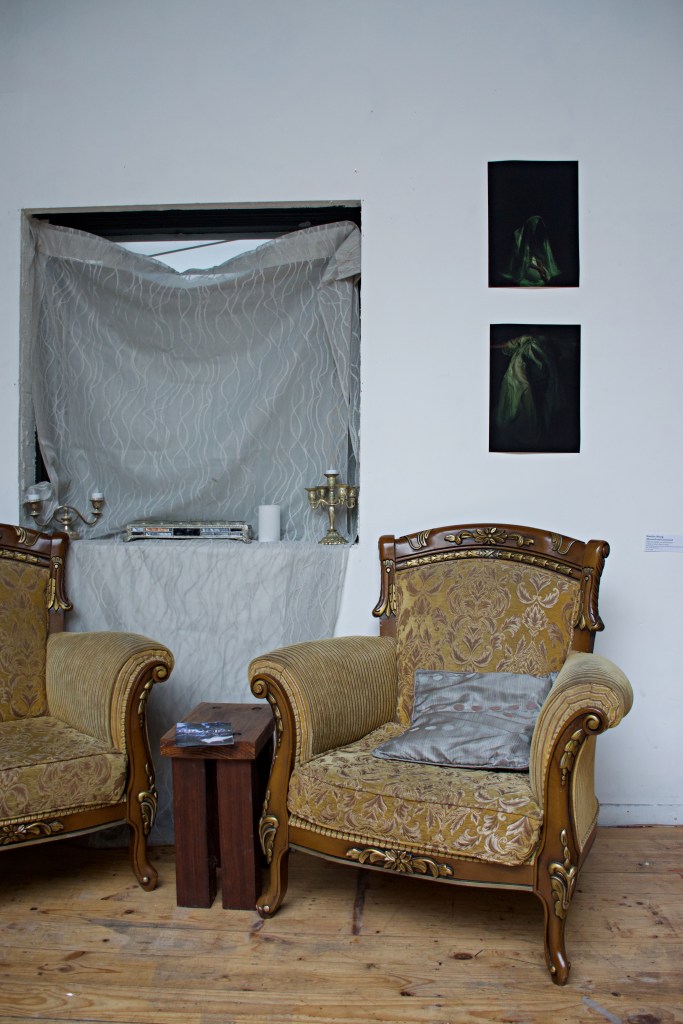
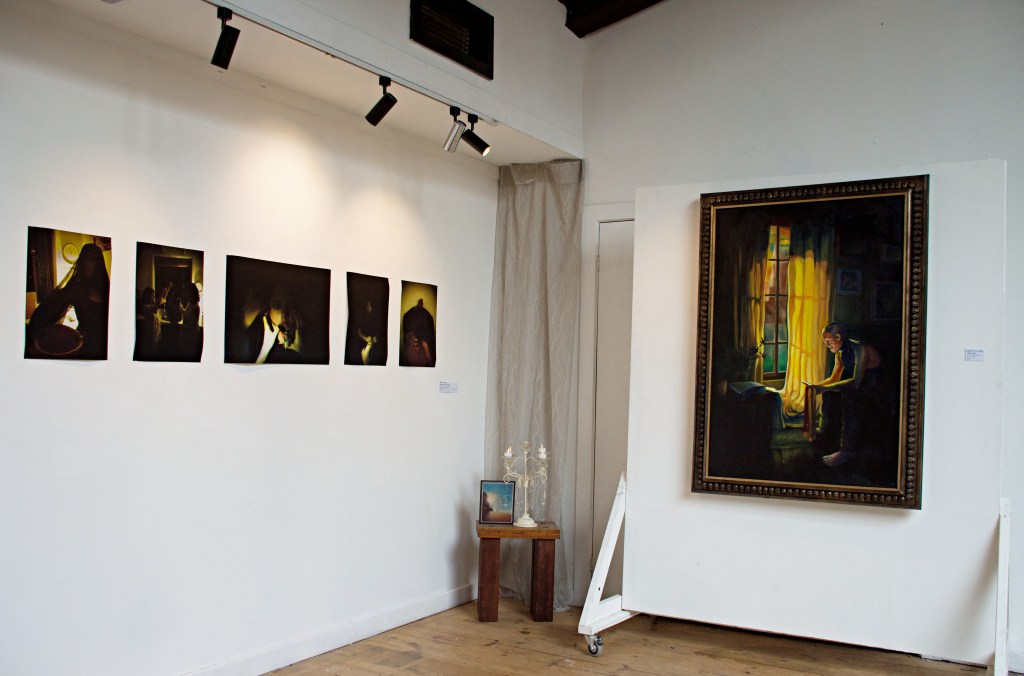
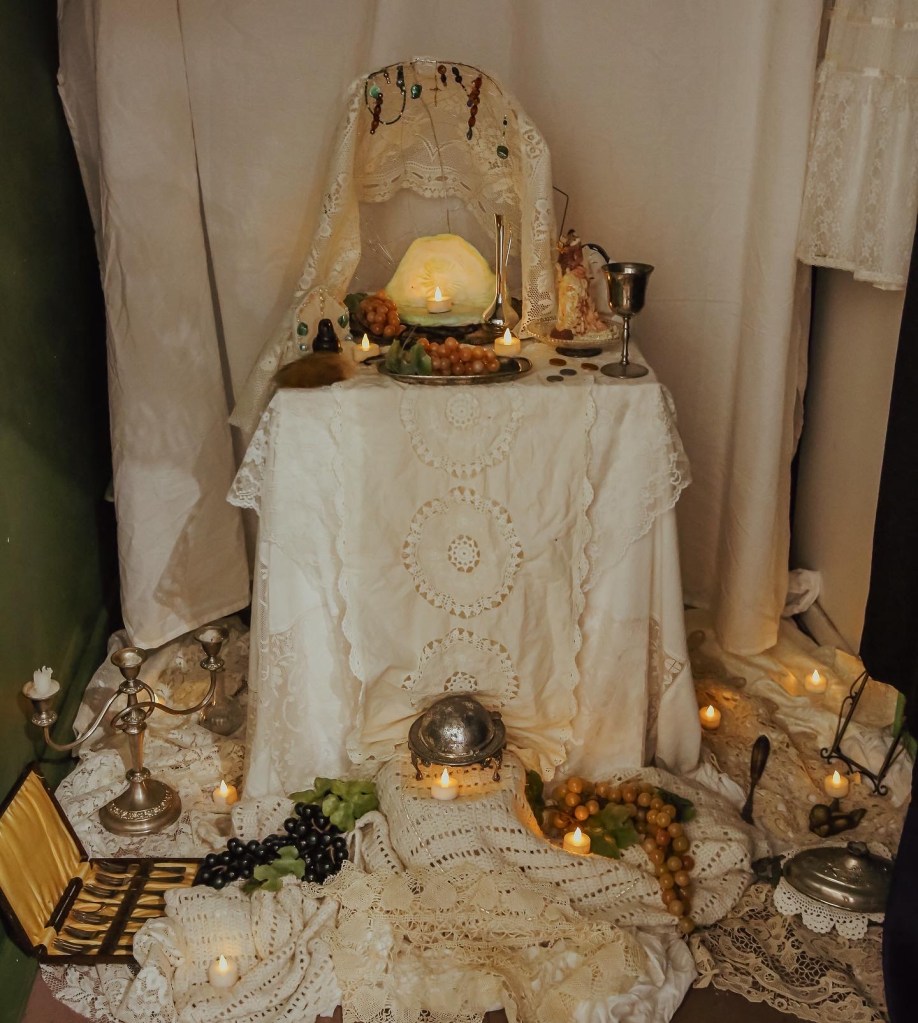
Seendya’s sculptures and photography are an exploration of the decorative and kitsch elements of organised religion. Theatrical and camp, she celebrates church-core as a complex but valid mode through which she can question her own ties to faith.
Jason’s life-size, tacit oil depiction of a priest challenges the boundaries between intimate and public space. By presenting this well-known social figure in a casual domestic moment, the audience are made to be voyeurs, and the priest’s essential humanity is reinforced. This reframing reveals how the garments worn by religious leaders are insignias which are inevitably shed at the end of the day.
Within Mirages, we invite you to consider the role or void of religion in contemporary life. In the presentation of diverse varied and investigations, this exhibition strives to forsake fundamentalism and in doing so, present an immersive voyage into complex human relationships with religion.
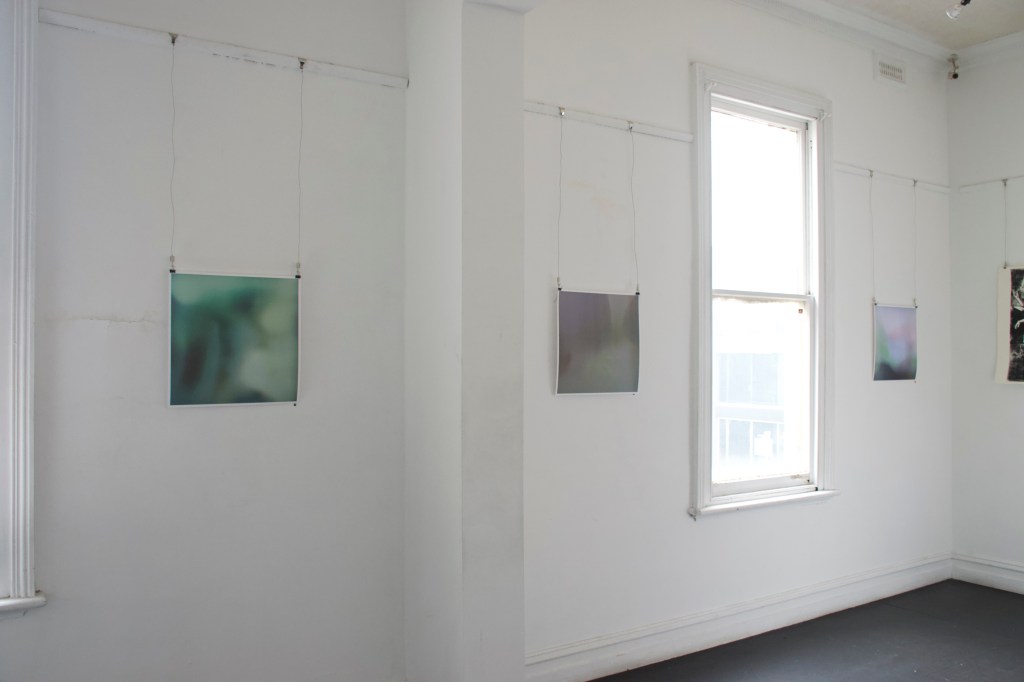
(Photos by Nour Abdullatif and the curators)

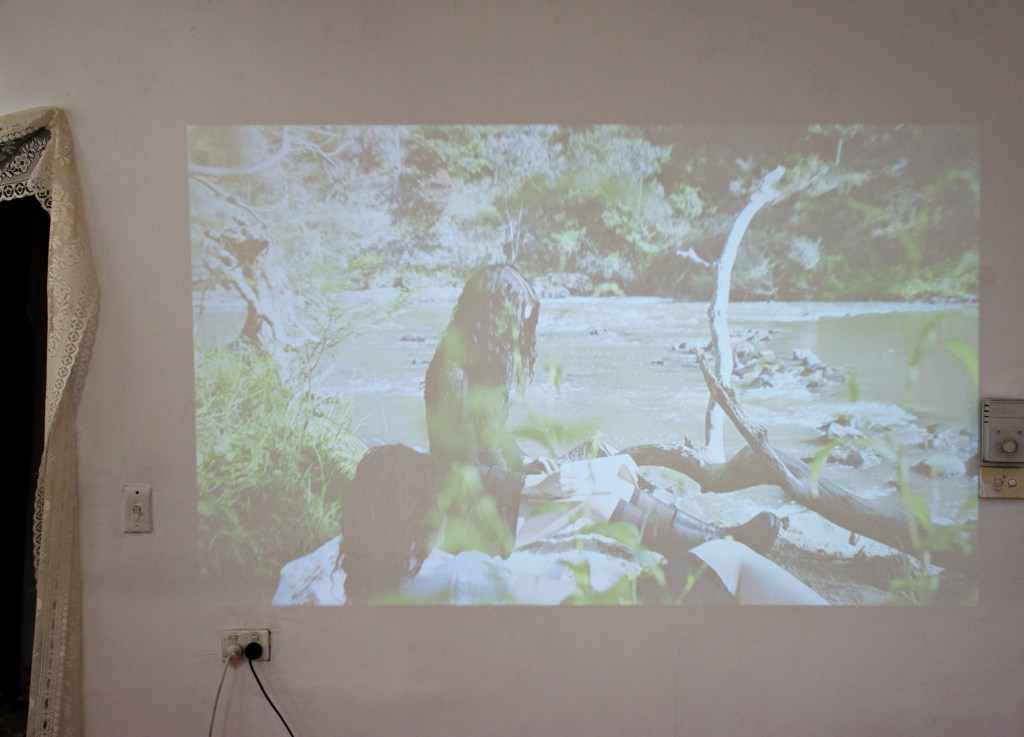

OFFERINGS: Curated by Gabriella Bartolo and Sunday Smith.
Unassigned Gallery, 26-30 April 2024
(Photos by Natalie Edge and the curators)
 Gabriella Bartolo-Kanellopoulos